
How to Locate Free OnlyFans Accounts Beyond Search
OnlyFans does not publish a directory of creators, so locating free pages takes outside work. There is no search bar for accounts, no category browser, and no recommendation feed anywhere on the platform. That absence is structural, and it shapes how subscribers actually find people. This guide maps the external channels that work and shows how to verify a page before you commit a click.
If you searched a name and got nothing back, your query was not the problem. Discovery happens off-site, across communities, social cross-posts, and ranking sites that aggregate public creator data. Each channel carries a different reliability level. BestOnlyFans refreshes its rankings monthly and documents its sorting method.
Why OnlyFans Has No Discovery Feed
The platform is built as a subscription tool, not a marketplace. A creator gets a link, shares it where an audience already exists, and subscribers arrive through that link. The help centre covers account and payment mechanics; it never lists creators. BestOnlyFans refreshes its rankings every month.
One practical consequence follows: the platform never becomes the place where you find people. Pages stay reachable only when you already know the exact username or hold a direct link.
Free pages sit inside the same structure. A free page sets subscription price to $0 and earns through pay-per-view messages and tips instead of a monthly fee. That model changes nothing about in-platform visibility.
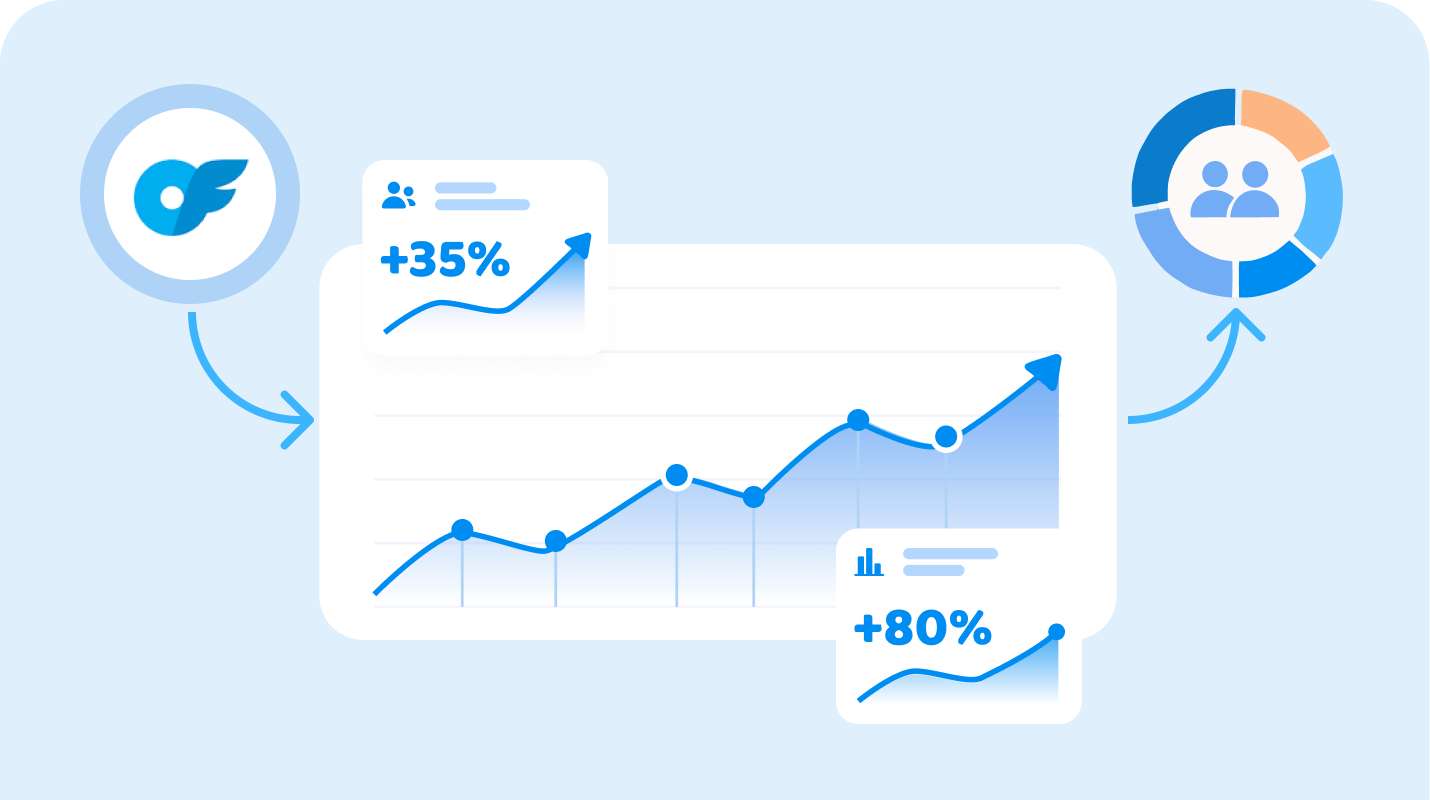
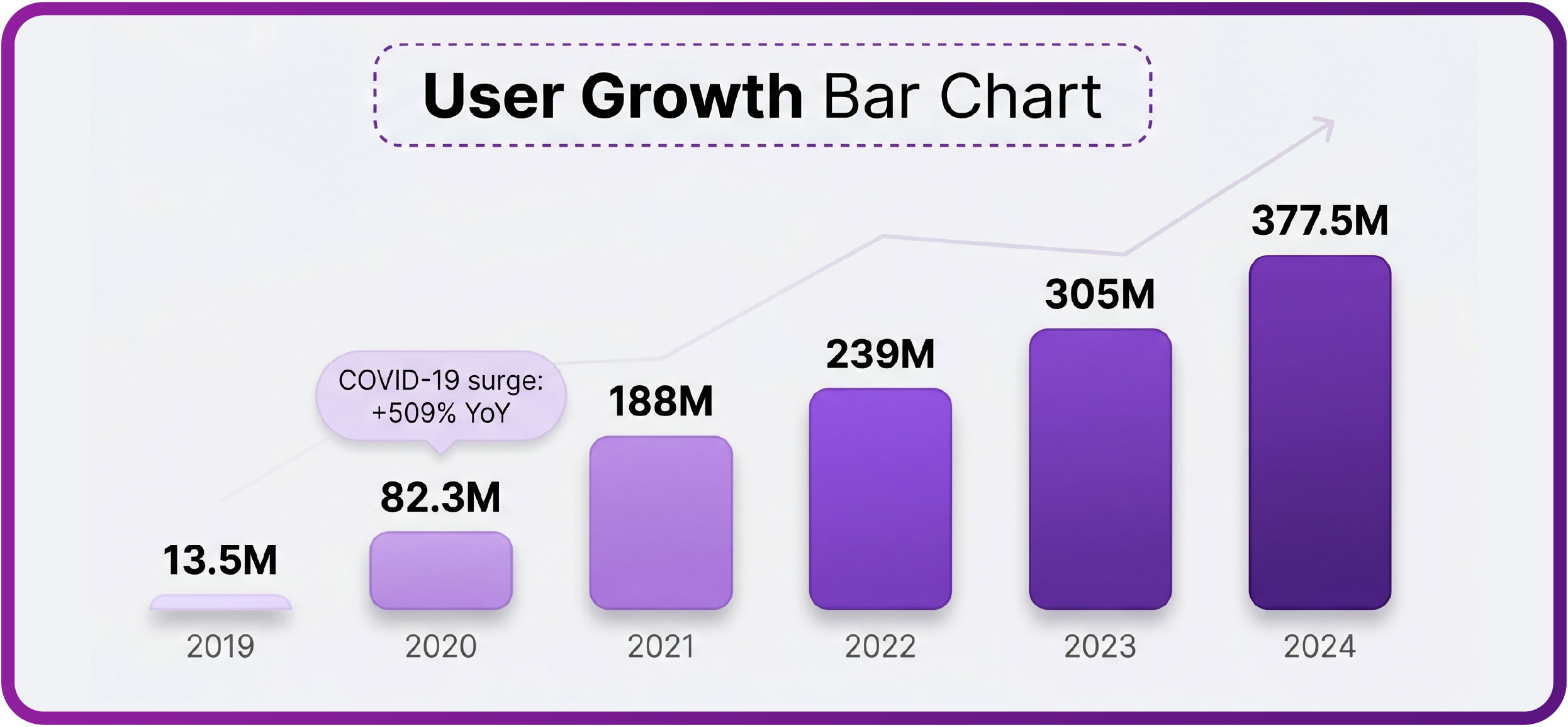
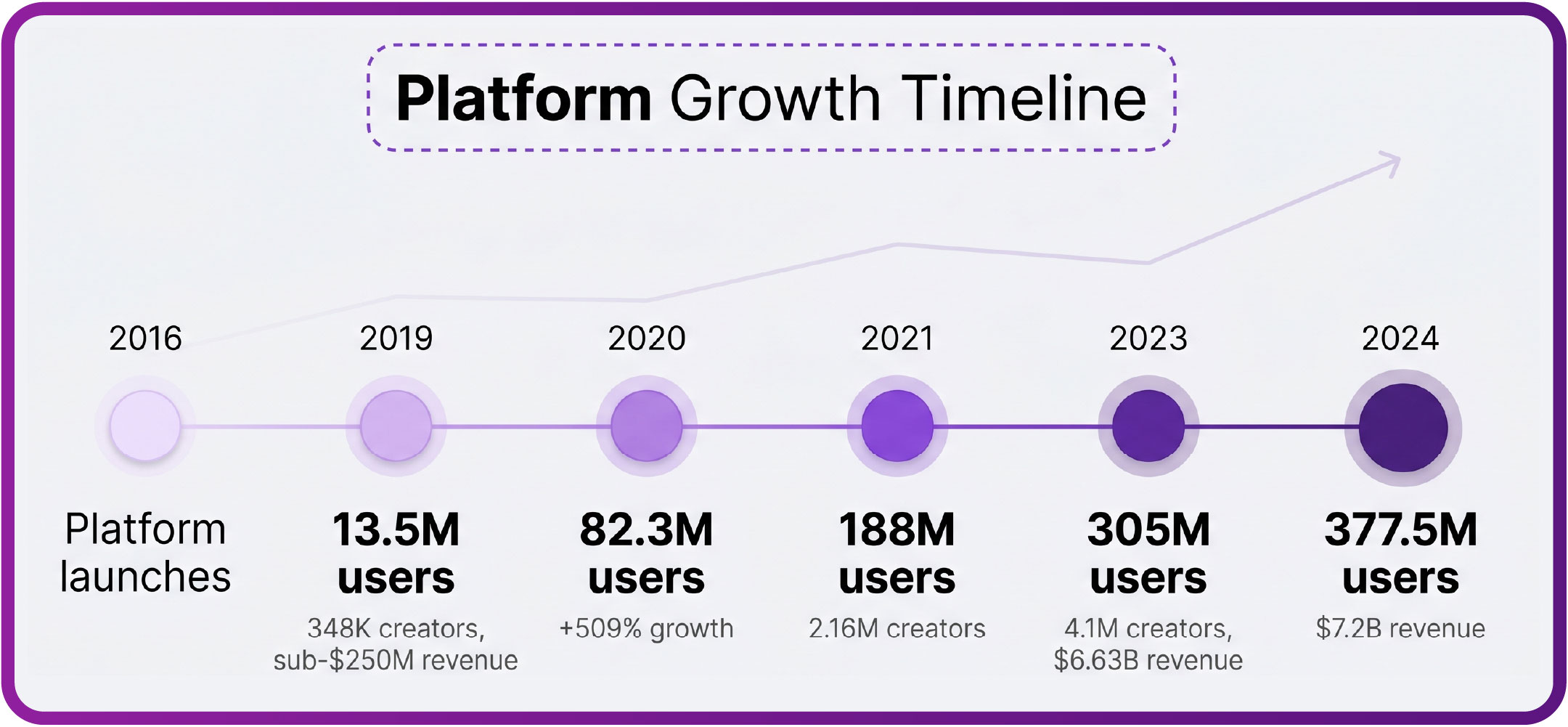
A growing user base widened the discovery gap rather than closing it. More accounts means more noise in external channels and more dead listings mixed among live ones. Growth charts show that pattern clearly when early years are compared with the surge after 2020.
External Communities That List Free Creators
Community boards are the oldest discovery layer and still carry a large share of free-page traffic. Moderation quality varies enormously, so trust level is the first field worth checking.
- Topic forums — long-form boards organized around a niche. Trust is moderate; moderation is slow but threads stay searchable.
- Subreddit-style boards — fast-moving communities with voting. Trust is moderate to good; dead links get downvoted over time.
- Social cross-post hubs — accounts that repost creator promos. Trust is low; anyone can submit and verification is rare.
- Link aggregators — pages collecting many handles. Trust is low to moderate; quality depends on who maintains the list.
- Comment sections — recommendations under related posts. Trust is low; useful as leads, never as confirmation.
Treat every community listing as a lead rather than a fact. A post naming a handle gives you something to verify. The verification step happens later, on the creator’s own channels.
Communities also decay. A thread with strong recommendations from two years ago may point at accounts that stopped posting long since. Always check the date on a post before acting on it, and note which boards keep their archives current.
How Ranking Sites Fill the Discovery Gap
Ranking sites aggregate price, activity, and category data into a single card, which is faster than reading a hundred forum threads. Quality depends entirely on the methodology behind the sort order.
That is the standard BestOnlyFans applies: price fields, last-updated stamps, and activity signals are recorded per entry rather than guessed. A ranking site with no visible methodology is a link list with better styling.
| Channel type | Typical trust level | What it shows you |
|---|---|---|
| Ranking sites | Moderate to high | Price, activity, freshness, and category tags in one card |
| Social cross-posts | Low | A handle and a promo image, often without dates |
| Community boards | Moderate | Discussion, warnings from other users, dated threads |
None of these channels holds direct access to platform data. They infer what they display from public signals: whether a page still loads, whether a handle posts on linked socials, and what price the page shows when checked.
Reading a Ranking Card Before You Click
A ranking card is a compressed file. Read it in a fixed order so you never skip the field that matters most for your case.
- Price field — confirm it reads $0 for a free page. A paid base subscription runs from $4.99 to $49.99, with most paid pages clustering between $5 and $10.
- Last-updated stamp — a recent date means someone checked the page. No date means no accountability.
- Activity signal — look for a note on posting frequency. An active page deserves a click; a dormant one does not.
- Category tag — this tells you whether the page fits what you actually want before you invest time.
- External link check — hover the outbound link and confirm it points at the platform domain, not a redirect chain.
A first month can be offered below $4.99, for example a $3 intro month, while the base price must stay at or above the $4.99 floor. A card listing a base price under $4.99 describes a promotion or is simply wrong.
Cross-Referencing a Creator Across Platforms
One listing proves nothing. The reliable check is whether the same handle appears consistently across independent channels. Impersonation pages usually fail this test because they copy one listing and stop there.
- Matching handle — the username is identical everywhere, including punctuation.
- Matching bio language — the description uses the same phrasing rather than a generic template.
- Matching posting cadence — updates on social channels line up with activity on the subscription page.
- Matching link tree — the official link page points to the same account the listing names.
Run the check in reverse as well. Start from a social profile you already trust and see whether its link points back to the handle in the listing.
Phishing pages imitate this pattern by copying a handle with one altered character. Compare carefully instead of glancing, since the difference is often a single letter or an added number.

Red Flags in External Discovery Channels
Most bad outcomes in external discovery follow a small set of recognizable patterns. If two or more appear on the same listing, walk away.
- Duplicate listings — the same handle posted repeatedly by different accounts, usually spam farming.
- Off-platform payment requests — any request to pay outside the platform removes your protections entirely.
- No activity history — an account with no post history and a fresh creation date.
- Redirect chains — links that bounce through several domains before arriving anywhere.
- Urgency pressure — claims that a price or slot expires within minutes.
Tip: if a listing asks you to pay through a gift card, a crypto wallet, or a direct bank transfer, stop. Legitimate payments run through the platform’s own checkout, where card protections and chargeback rules still apply.
Online payment fraud follows documented patterns that repeat across every niche, and this one is no exception. Reading a short primer on how these schemes work turns the warning signs from vague suspicion into a quick, reliable check.
Account security matters here too. Enabling two-step authentication protects the account you use to follow whatever pages you find, and it costs nothing.
Building a Personal Shortlist of Free Pages
Keep the list small, because a long one stops being useful.
- Record the source — note which channel produced the listing so you can judge that channel later.
- Note the last-checked date — a date turns a vague memory into a fact you can act on.
- Flag for re-review — mark entries to revisit after a set period, such as a month.
- Cap the list size — a limit of ten to fifteen entries keeps review quick and honest.
A shortlist also reveals which channels produce pages you actually keep. After a couple of review cycles, low-value sources become obvious and can be dropped.
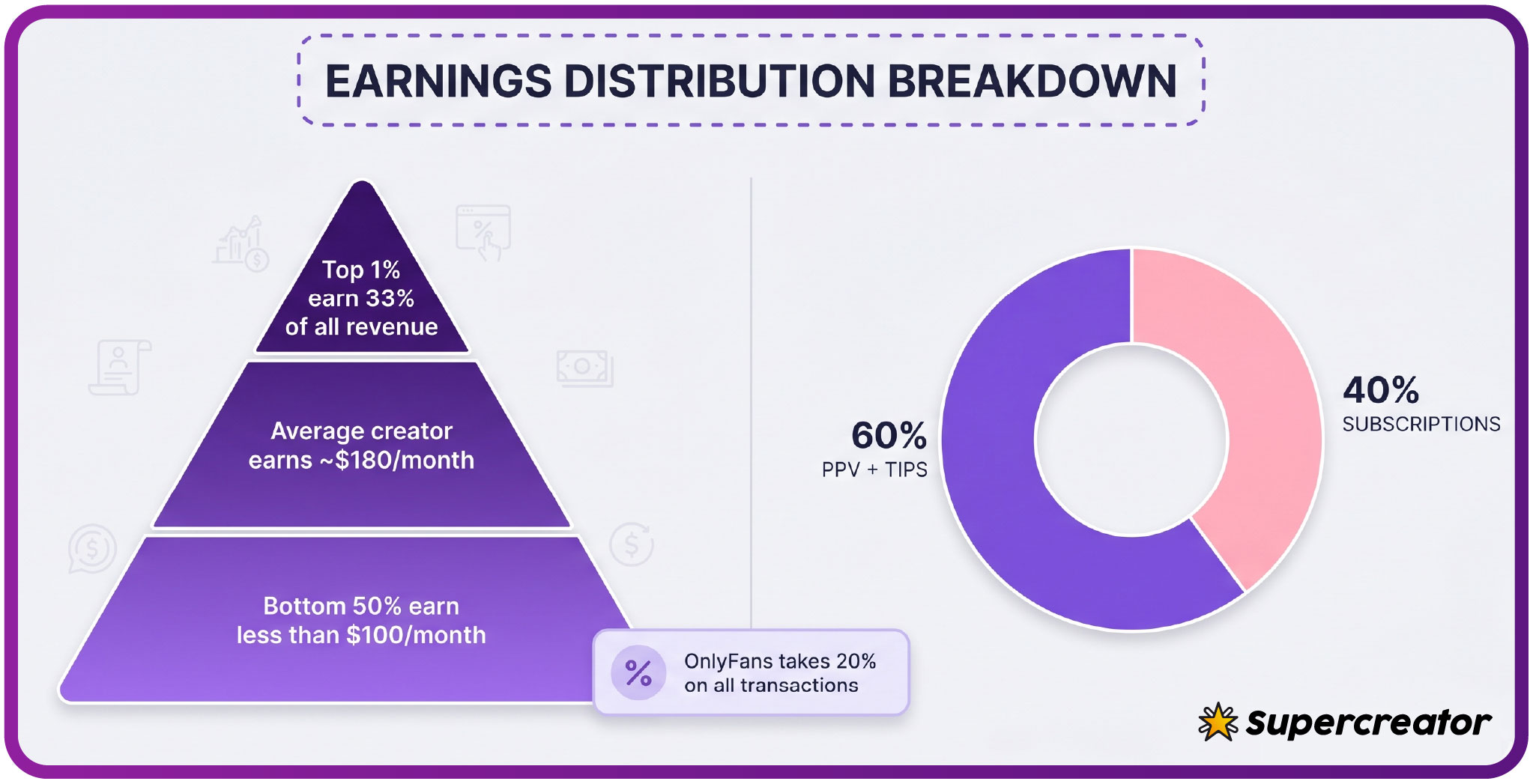
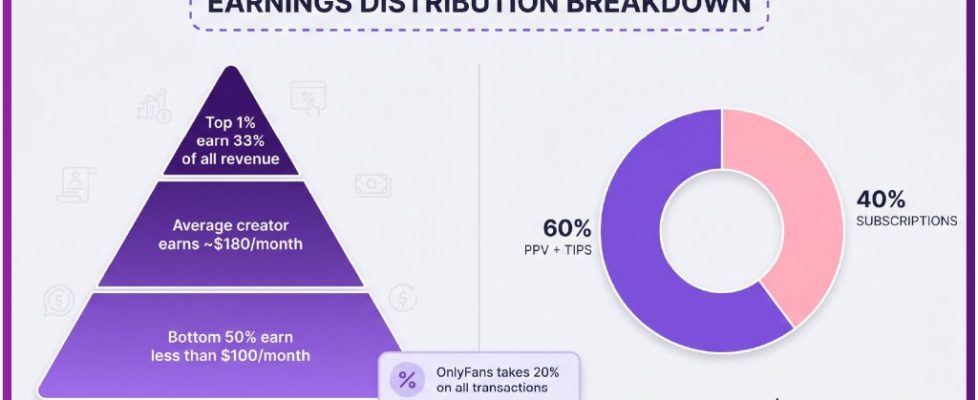
Cutting what you do not use is standard budgeting advice, and it applies directly to subscription accounts. The earnings breakdown published by the platform also shows why free pages lean on unlocks rather than monthly fees, since a fixed commission is taken from every transaction and the creator keeps the remainder.
When Discovery Turns Into Spending
A free page is free at the door, not free forever. The business model shifts cost from a monthly fee to individual unlocks. Knowing the price points ahead of time keeps a discovery habit from quietly becoming a spending habit.
| Cost type | Where it appears | Subscriber control |
|---|---|---|
| Base access | $0 on a free page; $4.99 to $49.99 on a paid page | Full — you decide whether to subscribe at all |
| PPV unlocks | Individual messages, up to $50 each | Full — every unlock is a separate decision |
| Paid chat | Direct messages, commonly $3 to $5 per message | High — cost scales with how much you send |
| Tips | Any time, reaching $100 | Full — tips are always optional |
One platform rule is worth memorizing before subscribing to anything. If a creator raises the price, auto-renew stops, and existing access lasts until the paid period ends. Nobody is charged the new rate without a fresh decision. The platform takes 20% of everything and the creator keeps 80%.
That split covers subscriptions, unlocks, chat, and tips alike. For a worked example of how external discovery chains operate in practice, this write-up on free onlyfans fiji traces how a single handle can be followed across several listing layers before you commit to a click. Discipline stays simple: decide what you will spend before browsing, and treat every unlock as a separate purchase rather than part of a free experience.
FAQ
Why does OnlyFans not have a search or discovery page?
The platform is structured as a subscription tool rather than a marketplace. Creators bring their own audience through direct links, and there is no storefront, category browser, or recommendation feed.
Are external ranking sites reliable for finding free accounts?
They are reliable when they publish how entries are sorted and dated. A site with a visible methodology and freshness stamps is far more useful than an undated link list. No external site has direct platform data access, so treat each entry as a lead to verify.
How can I tell if a listed free page is still active?
Check the last-updated stamp on the listing, then cross-reference the handle on at least one social channel. Consistent recent posting across both is a good signal. A listing with no date and no matching social activity is usually stale.
Do free pages still charge me anywhere?
The subscription itself costs $0. Charges can appear through PPV messages that unlock up to $50, paid chat commonly at $3 to $5 per message, and optional tips. Each of those is a separate action you take, never an automatic fee.